Thursday, 26 November 2020

Adjectives

 COMPARATIVE AND SUPERLATIVE ADJECTIVES

GRADABLE AND NON-GRADABLE ADJECTIVES

Adjective Gradability

Adjectives describe qualities (characteristics) of nouns. Some qualities can vary in intensity or "grade", for example:

  • rather hot, hot, very hot; hot, hotter, the hottest

The adjective hot is gradable.

Other qualities cannot vary in intensity or grade because they are:

  • extremes (for example: freezing)
  • absolutes (for example: dead)
  • classifying (for example: nuclear)

The adjectives freezing, dead and nuclear are non-gradable.


Gradable Adjectives

A gradable adjective can be used with "grading adverbs" that vary the adjective's grade or intensity. 

A gradable adjective can also have comparative and superlative forms:

  • big, bigger, the biggest
  • hot, hotter, the hottest
  • important, more important, the most important

Look at these example sentences:

  • My teacher was very happy with my homework.
  • That website is reasonably popular. But this one is more popular.
  • He said that France was a little cold and Denmark was rather cold. But Sweden was the coldest.

Non-gradable Adjectives

A non-gradable adjective cannot be used with grading adverbs:

  • It was rather freezing outside.
  • The dog was very dead.
  • He is investing in slightly nuclear energy.

Non-gradable adjectives do not normally have comparative and superlative forms:

  • freezing, more freezing, the most freezing
  • dead, deader, the deadest
  • nuclear, more nuclear, the most nuclear

Often, non-gradable adjectives are used alone:

  • It was freezing outside.
  • The dog was dead.
  • He is investing in nuclear energy.

ACTIVITIES


Sunday, 22 November 2020

What are you thankful for?


What do you know about Thanksgiving?

Look at the picture above.  Describe what you can see.

What is happening in the picture?


What food can you see in the videos?

What are important elements of this celebration?

Watch the video below.  Write down the highlighted words.  What do they mean?


Count the number of times turkeys appear in these clips.

After watching the above two videos, list traditions associated with Thanksgiving.

How do Americans celebrate Thanksgiving?


Why do Americans celebrate Thanksgiving?


What are the differences between American and Canadian Thanksgiving?

Draw a table with two columns in your notebook and note down the differences between the two celebrations.


Sunday, 15 November 2020

DIWALI


1.  Look at the image above.  Describe what you see.

2.  Where do you think this is?

3.  Why do you think this is happening?

4.  Watch the video.  Were you right or wrong?

What is Diwali?, una ficha interactiva de JanineJoan
liveworksheets.com


Now, answer the questions.


  1. Who celebrate Diwali?
  2. When do they usually celebrate it and how long is the celebration?
  3. Who is Lakshmi and why is she important?
  4. What do people do to prepare for Diwali?
  5. What do people do during Diwali?
  6. What are diyas?
  7. What are rangolis and what are they made of?
  8. What do people share during Diwali?
  9. Is this celebration similar to any celebrations in your culture?
  10. Explain how Diwali might be the same or different to your celebration.


Look at the pictures.  What is happening in them?  Use the present continuous tense.


Write down any new words you have learnt.


DIWALI TEENS


STUDENT SUMMARY


DIWALI:  What is it?

Diwali is a festival celebrated in India.  Hindus, Jains and Sikhs celebrate it.  It is a religious festival.  It celebrates the victory of the forces of light over the forces of darkness. 

People celebrate it between mid-October and mid-November.  It lasts five days.

People clean and decorate their houses.  They decorate their homes with garlands of jasmine which is a type of flower.   They also make rangolis in front of their houses and diyas which are small lamps.

They go to the temple to worship Lakshmi and other important gods and goddesses.  Lakshmi is the goddess of prosperity and wealth.  She is associated with Diwali.

During Diwali, people wear new clothes.  They give treats to their neighbours and they give presents to family and friends.

They put on firework displays in big cities.  In the streets, there are many lights similar to Christmas.

Diwali has many similarities to Christmas but many differences too.  The religions are different and the time when people celebrate them.

Written by Mark, Pete and Anna


Thursday, 12 November 2020

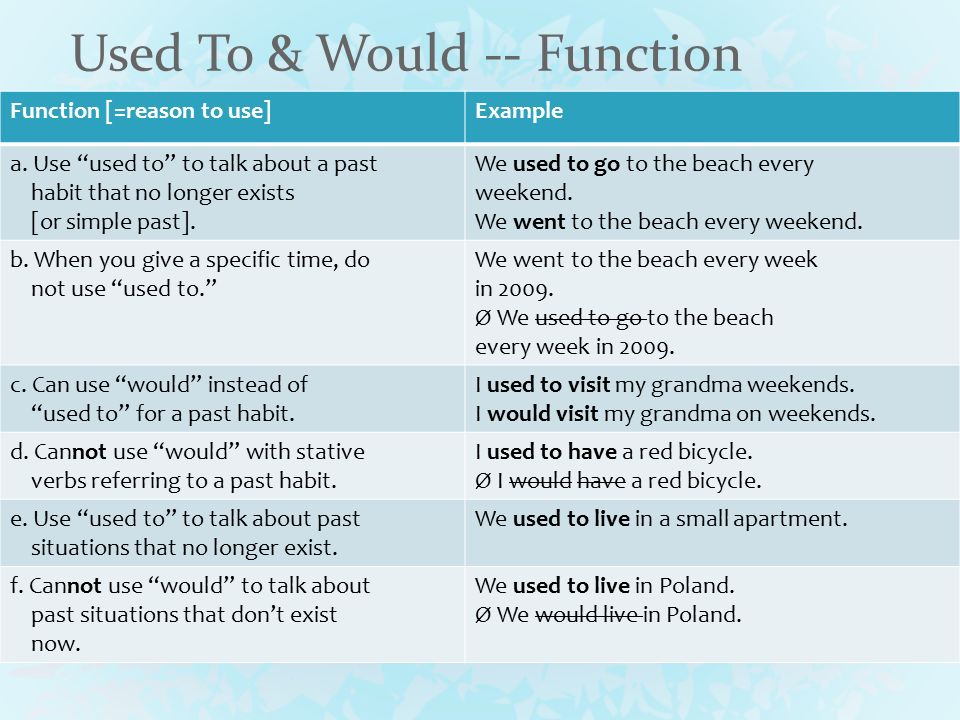
TALKING ABOUT PAST HABITS AND ACTIONS


We can use would to talk about repeated past actions that don't happen any more. 

We don't normally use the negative or question form of would for past habits. 

We don't use would to talk about past states.


USED TO: VIDEO, EXPLANATION, PRACTICE


USED TO, WOULD, PAST SIMPLE

EXPLANATION

QUIZ


LET'S PRACTISE

1. USED TO

2. USED TO and WOULD

3. WOULD and USED TO


BE CAREFUL!

USED TO vs BE USED TO


USED TO, BE USED TO, BE GETTING USED TO IN SONGS


ACTIVITIES


Monday, 26 October 2020

HELLO HALLOWEEN!


ACTIVITY 1: THE ORIGINS OF HALLOWEEN


1. Draw a mind map of Halloween.  Include everything you know about this holiday.

2. Are there any holidays in your country that are similar to Halloween?  Explain.

3. What do you know about the origins of Halloween?  How did it start?

4. Watch the video.  Are any of your ideas in the video?  What are they?


5.  Watch the video again and answer the questions below.

a. Who were the first people to celebrate Halloween?
b. Where did people first start celebrating Halloween?
c. When did they first celebrate Halloween?
d. What was Halloween called in the beginning?
e. What did this festival mean?  Why did they celebrate it?
f.  Who honoured the goddess Pomona and commemorated the passing of the dead?
g. Who changed the name to All Saints Day?
h. Where does the name "Halloween" come from?
i.  How did Halloween become an American tradition?
j.  How much money do Americans spend on costumes and candy every year?
k. Which is the most expensive American holiday?


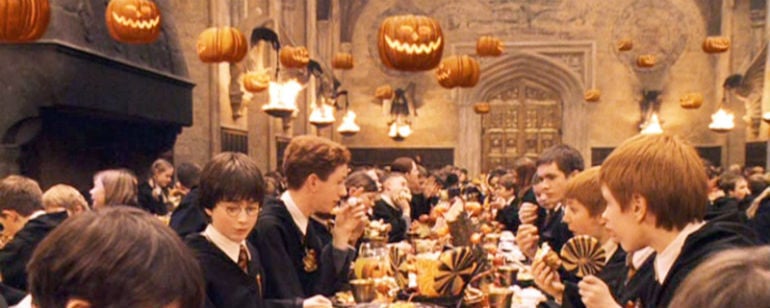
ACTIVITY 2: HARRY POTTER AND THE PHILOSOPHER'S STONE, 

Chapter 10 - Halloween


Read pages 170 and 171, then complete the activities below.

1.  What problems is Harry having when we first start reading on page 170?

2.  Find words that mean the following on pages 170-171:

- floating

- move very fast

- consolation, comfort

- the joint between the hand and arm

- sit near the edge of something

- move through the air making a soft sound

- hit something with a short sudden movement

- push somebody or something with your finger


3. Identify some regular past simple verbs and classify them according to the pronunciation of their endings.


4.  Who are work partners in Professor Flitwick's class?

Read pages 172 and 173. 


5. Find words or expressions on pages 172 and 173 for the following:

 - when you don't like someone 

- see someone for a short moment

- surprised

- when aren't present or don't come

- accidentally hear something

- uncomfortable

- run very fast

- lots of delicious food

- lose consciousness

- not get separated

- bend down suddenly


6.  How are the decorations in the book different to the ones in the film?


7.  How does Dumbledore silence everyone?


8.  Explain in your own words what a dungeon is.


Read from page 172 to 179. 


9.  Read the description of the troll on page 174 and draw a description.


10.  Identify some irregular past simple verbs on page 175 and write their infinitive forms.  What do they mean?


11.  Find examples of the past perfect tense on page 176.


12.  Find an expression that means "not be able to breath properly".


13.  Find an expression on page 177 that means "to confront or solve a problem"


14.  What expression on page 178 means "to look down in shame and embarrassment"?


15.  What differences are there between the book and film?


16.  Explain how Hermione, Harry and Ron became friends in this chapter.

HARRY POTTER AND THE PHILOSOPHER'S STONE (4)

Harry Potter and the Philosopher’s Stone by Janine on Scribd

Sunday, 18 October 2020

WELCOME BACK!


1.  Are you happy to be back at school?  Why?

2.  What is different?  What is the same?  Draw a Venn diagram like the one below to organise your thoughts.  


How to draw a Venn diagram


Now, share your ideas with your classmates.

3.  Draw a timetable for the week, including your extra-curricular activities. 

REVIEW


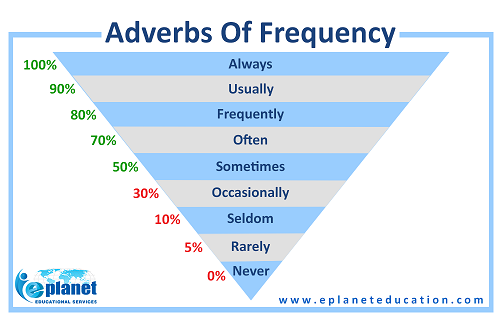
Use adverbs of frequency, the present simple tense and the time.


1. Look at the pictures below.  Describe them and say how they make you feel.


PICTURE 1


PICTURE 2


PICTURE 3


PICTURE 4


PICTURE 5


PICTURE 6


PICTURE 7


PICTURE 8

PICTURE 9

2.  Now, draw you own picture of the lockdown and describe it to the class.


1.  Click on the link above and watch the videos and complete the table.  

2.  Answer the questions.

a. How do the children feel?  

b. What advice do they give?

3. What did you do during the lockdown?  

past simple tense: review

a. Use the past simple tense.

b. Write a description of what you did during lockdown adding interesting details.  

c. Draw three or four pictures of some of the things you did during the lockdown.

d. Use your description and pictures to do a presentation.


4.  Talk about your routines before the COVID19 pandemic and compare them with your routine now.