Showing posts with label too and enough. Show all posts

Thursday, 16 January 2025

FOOD, GLORIOUS FOOD


VALENTINE’S DAY

VIDEO: THE HISTORY OF VALENTINE’S DAY

A.      Complete the sentences.

1.       More than 62% of Americans _____________ Valentine’s Day.

2.       The roots of Valentine’s Day go back to a fertility festival __________ in mid-February called Lupercalia.

3.       The Christian church chose mid-February to celebrate Saint Valentine’s Day in __________ to Christianise the celebration.

4.       There was more than just one Christian cleric __________ Valentine.

5.       Claudius II __________ marriage for young Roman men.

6.       In the 5th century, Pope Gelasius __________ February 14th as a day for honouring   Saint Valentine.

7.       The first written Valentine’s greetings __________ in the 15th century.

8.       The first mass-produced cards __________ in the 1840s.

9.       About 1 billion Valentine Day cards __________   __________ each year.

10.   More than 35 million heart-shaped boxes __________   __________.

11.   More than 220 million roses __________   __________ in a typical year.

12.   Americans __________ almost 20 billion dollars on Valentine’s Day.

13.   More than 20% of Americans splurged on jewellery, shelling __________ as much as 4 billion dollars annually.

14.   As many as 6 million couples __________ likely to get engaged on February 14th.


B.      Tick the sentences with Passive structures.

C.      Answer the questions.

1.       Who is Valentine’s Day named after?

2.       What are the most popular Valentine’s Day gifts?

3.       What, according to the video is the ultimate romantic gesture?

4.       What is your opinion on this holiday?   Do you think people make too much of it?


VALENTINE'S DAY: READING COMPREHENSION

SONNETS: LITERATURE

SONNET 18


SONNET 130


1.          Read the sonnets aloud and work out the rhyme scheme for each.

2.       What happens in the octave?

3.       What happens in the sestet?

4.       How are the sonnets concluded in the rhyming couplet?

5.       Which one do you like best?  Explain.

6.       Can you write a sonnet?

FOOD ON VALENTINE'S DAY


List the foods mentioned in the video.

What are the three courses?

Do you think this is a good way to celebrate Valentine's Day?  

If you could (or wanted to), how would you celebrate Valentine's Day?


1.  Watch the video and write down all the words related to food.

2.  Write down words or expressions that you do not understand.  Now, watch the video again and try to work out the meaning from the context.

3.  Where does this song come from?


Thursday, 15 February 2024

FOOD, GLORIOUS FOOD


VALENTINE’S DAY

VIDEO: THE HISTORY OF VALENTINE’S DAY

A.      Complete the sentences.

1.       More than 62% of Americans _____________ Valentine’s Day.

2.       The roots of Valentine’s Day go back to a fertility festival __________ in mid-February called Lupercalia.

3.       The Christian church chose mid-February to celebrate Saint Valentine’s Day in __________ to Christianise the celebration.

4.       There was more than just one Christian cleric __________ Valentine.

5.       Claudius II __________ marriage for young Roman men.

6.       In the 5th century, Pope Gelasius __________ February 14th as a day for honouring   Saint Valentine.

7.       The first written Valentine’s greetings __________ in the 15th century.

8.       The first mass-produced cards __________ in the 1840s.

9.       About 1 billion Valentine Day cards __________   __________ each year.

10.   More than 35 million heart-shaped boxes __________   __________.

11.   More than 220 million roses __________   __________ in a typical year.

12.   Americans __________ almost 20 billion dollars on Valentine’s Day.

13.   More than 20% of Americans splurged on jewellery, shelling __________ as much as 4 billion dollars annually.

14.   As many as 6 million couples __________ likely to get engaged on February 14th.


B.      Tick the sentences with Passive structures.

C.      Answer the questions.

1.       Who is Valentine’s Day named after?

2.       What are the most popular Valentine’s Day gifts?

3.       What, according to the video is the ultimate romantic gesture?

4.       What is your opinion on this holiday?   Do you think people make too much of it?


VALENTINE'S DAY: READING COMPREHENSION

SONNETS: LITERATURE

SONNET 18


SONNET 130


1.          Read the sonnets aloud and work out the rhyme scheme for each.

2.       What happens in the octave?

3.       What happens in the sestet?

4.       How are the sonnets concluded in the rhyming couplet?

5.       Which one do you like best?  Explain.

6.       Can you write a sonnet?

FOOD ON VALENTINE'S DAY


List the foods mentioned in the video.

What are the three courses?

Do you think this is a good way to celebrate Valentine's Day?  

If you could (or wanted to), how would you celebrate Valentine's Day?


1.  Watch the video and write down all the words related to food.

2.  Write down words or expressions that you do not understand.  Now, watch the video again and try to work out the meaning from the context.

3.  Where does this song come from?


Monday, 8 January 2024

OUT AND ABOUT


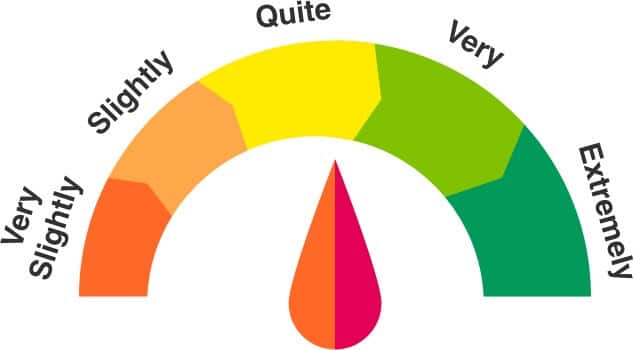
What are adverbs of degree?

We use adverbs of degree to qualify what we are talking about.             I’m really happyI’m quite happy or I’m not very happy

Adverbs of degree can be split into two groups: 

    adverbs that intensify the degree of something 

                                        vs. 

    adverbs that weaken the degree of something.

Adverbs that increase, or intensify, the meaning include words such as: verytotallycompletely, and absolutely. For example: I’m totally convinced Sam will quit his job.

Adverbs that decrease or weaken the degree of meaning include words such as: fairlyquiteslightly, and a bit. For example: I’m fairly certain it will rain tomorrow.

1. Weakening the meaning

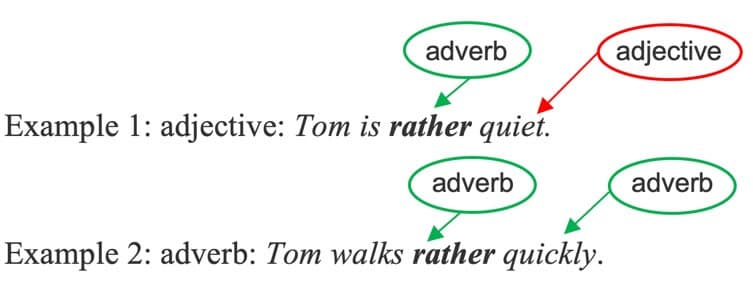
There are times in English when we want to specifically describe our use of an adjective or adverb. For instance, we may wish to express that we are quite nervous or a bit cold. This is more exact than just saying I’m nervous or I’m cold. The adverbs in this category are all used in the same way. The position of the adverb is before the adjective or adverb.


2. Intensifying the meaning (gradable adjectives)

There are many adverbs that intensify, or make the meaning stronger. For grammatical reasons, we need to separate these adverbs into two groups. Our choice of adverb depends on whether the adjective (which the adverb is intensifying) is gradable or ungradable.

For example, ‘hot’ is a gradable adjective, but ‘boiling’ is ungradable. So, we can say: It is very hot AND It is absolutely boiling, but NOT It is very boiling. The table below gives further examples of gradable and ungradable adjectives and the intensifiers used with them.


Intensifier + gradable adjectiveIntensifier + ungradable adjective
Very coldAbsolutely freezing
Extremely tiredCompletely exhausted
Really happyAbsolutely ecstatic
Very hungryTotally starving

MORE EXAMPLES

TOO AND ENOUGH


FUTURE FORMS


PREPOSTIONS OF MOVEMENT


Wednesday, 19 October 2022

OUT AND ABOUT


What are adverbs of degree?

We use adverbs of degree to qualify what we are talking about.             I’m really happyI’m quite happy or I’m not very happy

Adverbs of degree can be split into two groups: 

    adverbs that intensify the degree of something 

                                        vs. 

    adverbs that weaken the degree of something.

Adverbs that increase, or intensify, the meaning include words such as: verytotallycompletely, and absolutely. For example: I’m totally convinced Sam will quit his job.

Adverbs that decrease or weaken the degree of meaning include words such as: fairlyquiteslightly, and a bit. For example: I’m fairly certain it will rain tomorrow.

1. Weakening the meaning

There are times in English when we want to specifically describe our use of an adjective or adverb. For instance, we may wish to express that we are quite nervous or a bit cold. This is more exact than just saying I’m nervous or I’m cold. The adverbs in this category are all used in the same way. The position of the adverb is before the adjective or adverb.


2. Intensifying the meaning (gradable adjectives)

There are many adverbs that intensify, or make the meaning stronger. For grammatical reasons, we need to separate these adverbs into two groups. Our choice of adverb depends on whether the adjective (which the adverb is intensifying) is gradable or ungradable.

For example, ‘hot’ is a gradable adjective, but ‘boiling’ is ungradable. So, we can say: It is very hot AND It is absolutely boiling, but NOT It is very boiling. The table below gives further examples of gradable and ungradable adjectives and the intensifiers used with them.


Intensifier + gradable adjectiveIntensifier + ungradable adjective
Very coldAbsolutely freezing
Extremely tiredCompletely exhausted
Really happyAbsolutely ecstatic
Very hungryTotally starving

MORE EXAMPLES

TOO AND ENOUGH


FUTURE FORMS


PREPOSTIONS OF MOVEMENT